Common garden clearance problems in SE23 and how gardeners fix them
Garden clearance in SE23 sounds simple enough on paper: cut back the growth, remove the waste, and leave the space usable again. In real gardens, though, it rarely plays out that neatly. One corner may be packed with ivy and brambles, another buried under wet leaves, and a shed side path could be so narrow that even a wheelbarrow feels like a bad joke. That is where experience matters.
This guide looks at the common garden clearance problems in SE23 and how gardeners fix them, with a practical focus on what actually goes wrong, what skilled gardeners do about it, and how to plan the work so it stays safe, efficient, and worthwhile. If you are weighing up a one-off tidy-up or a larger clearance job, this should help you understand the process properly rather than guessing your way through it.
For a broader look at the work involved, you can also see the local garden clearance service and the wider services overview for related options such as maintenance and tree work.
Table of Contents
- Why this matters in SE23
- How garden clearance works
- Key benefits and practical advantages
- Who this is for and when it makes sense
- Step-by-step guidance
- Expert tips for better results
- Common mistakes to avoid
- Tools, resources and recommendations
- Law, compliance, standards, or best practice
- Options, methods, or comparison table
- Case study or real-world example
- Practical checklist
- Conclusion
- Frequently asked questions
Why Common garden clearance problems in SE23 and how gardeners fix them Matters
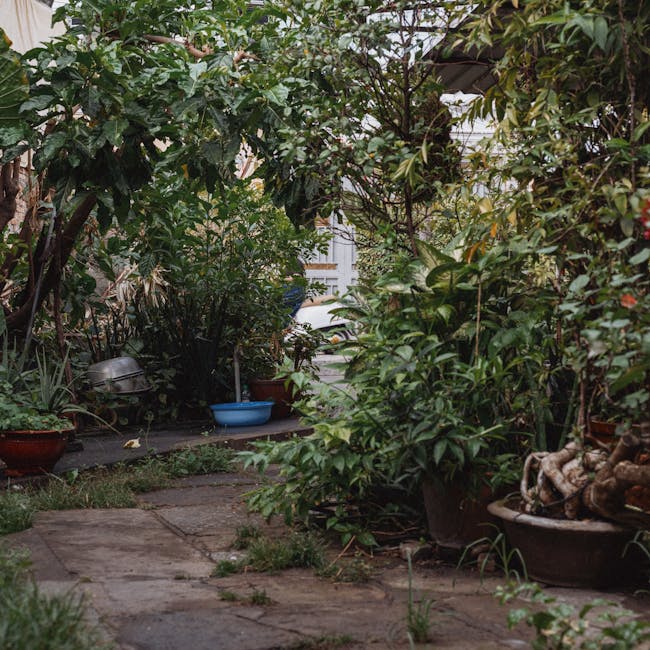
SE23 gardens tend to have a mix of older planting, compact layouts, and boundary growth that can get away from people quickly. That is not a criticism, just a reality of busy homes, varying garden sizes, and the fact that London weather does its own thing. A damp spring, a bit of neglect, and suddenly the patio is under moss, the hedge is leaning into the neighbour's side, and the back bed looks more like a thicket than a border.
The biggest reason this matters is simple: garden clearance is not just about appearance. It affects safety, access, drainage, plant health, pest pressure, and how easy it is to maintain the garden later. If a clearance is done badly, you often create more work rather than less. Leave roots in the wrong place and they reshoot. Stack waste too long and it goes slimy. Cut a shrub too hard at the wrong time and it sulks for months. Gardening is kind like that. It remembers.
In SE23, where many gardens are enclosed and access can be tight, the practical challenge is often as important as the horticulture. Gardeners are not only clearing growth; they are working out how to move waste safely, protect surfaces, and avoid damaging fences, sheds, lawns, and paved paths. That is where proper planning makes the difference between a quick tidy and a proper reset.
There is also a local-value angle. A cleared garden is easier to use, easier to maintain, and usually easier to improve later through garden maintenance, hedge trimming, lawn mowing, or even broader landscaping. A messy garden can hide possibilities; a cleared one shows you what is actually there.
How Common garden clearance problems in SE23 and how gardeners fix them Works
Professional garden clearance usually starts with assessment. A good gardener will look at the type of waste, the volume, access points, hidden hazards, and whether there are items that need a different approach, such as woody stems, thorny growth, broken fencing, tree debris, or old garden furniture. The job is then broken into stages rather than tackled randomly.
In practice, gardeners usually work from the top down and the outside in. That means handling overgrown hedges, shrubs, and self-seeded trees first, then moving on to weeds, brambles, debris, and surface clean-up. If the site is awkward, they may also work in sections so the garden stays manageable. One long, tangled border can swallow half a day if you do not stay disciplined about the order.
Here is the basic pattern:
- Inspect the site and identify risks, access issues, and waste types.
- Agree the scope, including what should stay and what should go.
- Cut back overgrowth and remove obvious hazards first.
- Lift green waste, dead material, and unwanted items safely.
- Rake, sweep, and check for hidden rubbish, roots, and trip hazards.
- Bag, load, or sort waste for responsible disposal or recycling.
- Finish with a final check so the space is genuinely usable.
That process sounds straightforward, but the skill lies in the details. For example, a garden full of brambles is best approached with sturdy gloves, long-handled cutting tools, and patience. A garden with heavy shade and wet clay soil may need a different finish, because once you cut everything back, the ground can still be slippery and compacted. There is always something.
Where clearance overlaps with tree work, a gardener may recommend specialist support through tree lopping and removal if branches, saplings, or hazardous limbs are part of the problem. If the job is more about creating a better layout after clearance, landscape gardening may be the next sensible step.
Key Benefits and Practical Advantages
A properly handled clearance job gives you more than a tidy view from the kitchen window. It creates breathing room. You can walk the garden without ducking under a tangle of stems, children can use the space more safely, and the soil gets better light and airflow. That alone can change how the whole garden feels.
- Better access: Paths, doors, bins, sheds, and borders become easier to reach.
- Lower safety risk: Fewer hidden trip hazards, sharp branches, and slippery piles of wet waste.
- Improved plant health: Clearing dead material can reduce crowding and let healthy growth recover.
- Easier ongoing care: A garden that starts clean is much simpler to maintain.
- More usable space: You can finally see where seating, planting, or storage might fit.
- Cleaner finish: Waste is removed properly instead of lingering in corners for weeks.
There is a practical money angle too. If a garden has been neglected for some time, a thorough clearance may reduce the effort needed for future visits. A smaller, regular maintenance task is often easier to budget for than repeated emergency tidy-ups. Truth be told, that is one of the biggest wins: not the one-off tidy, but the fact that the garden stops fighting you every month.
Expert summary: the best garden clearance is not the one that makes the garden look empty, but the one that leaves it safe, manageable, and ready for the next sensible improvement. If you can still use the space the same week, the job was probably done well.
Who This Is For and When It Makes Sense
Garden clearance is useful for a surprising number of people. Some need it after a long period away, some after buying a property, and some simply because life got busy and the garden got on with things without permission.
You may need clearance if:
- the garden has become overgrown after winter or a long dry spell of neglect;
- you are preparing to sell or rent a property and want it to look cared for;
- you have inherited a garden that needs a full reset;
- weeds, ivy, or brambles are spreading into borders, fences, or hard surfaces;
- fallen branches, leaf build-up, or dead plants are creating a mess;
- you want a clean starting point before new planting, turfing, or landscaping;
- you simply do not have the time, tools, or physical ability to do it yourself.
SE23 homeowners often call in help when access is awkward or the garden has lots of layered growth. For example, a small rear garden can look tidy from the top, but the lower section may be full of compacted debris, old pots, broken canes, and ten different weeds doing their best impression of a takeover. By the time you notice it, the job is bigger than a Sunday afternoon.
It also makes sense if the garden has become a safety concern. That might mean blocked drains, slippery paving, unstable branches, or hidden waste. In those cases, a proper clearance is not just cosmetic; it is the sensible first move before any other work.
Step-by-Step Guidance
If you want to understand how gardeners fix the most common clearance problems, it helps to think in stages. The order matters. Skip the order and you usually create more mess, more strain, or both.
1. Start with the site walk-through
Look at the garden from different angles and note what needs removing, cutting back, sorting, or protecting. A quick survey can reveal hidden issues such as broken edging, hidden waste, wasp activity, or branches resting on panels. Small things, but they matter.
2. Separate the problems
Do not treat all growth as one job. Brambles, weeds, ivy, leaf litter, woody waste, and general rubbish each need a slightly different approach. Gardeners often split a clearance into categories because it keeps the work controlled and prevents missed spots.
3. Clear the obvious hazards first
Loose glass, rusted metal, broken pots, unstable branches, and sharp debris should come out early. This makes the rest of the job safer and faster. Nobody wants to be kneeling in a border only to discover an old shard under a mat of roots.
4. Reduce bulk before fine clearing
Big growth needs to be reduced before the detailed tidy-up begins. A hedge can be trimmed back, a shrub thinned, or a tree limb safely reduced so that access opens up. If the boundary growth is substantial, pairing clearance with hedge trimming often gives a much cleaner result.
5. Remove waste methodically
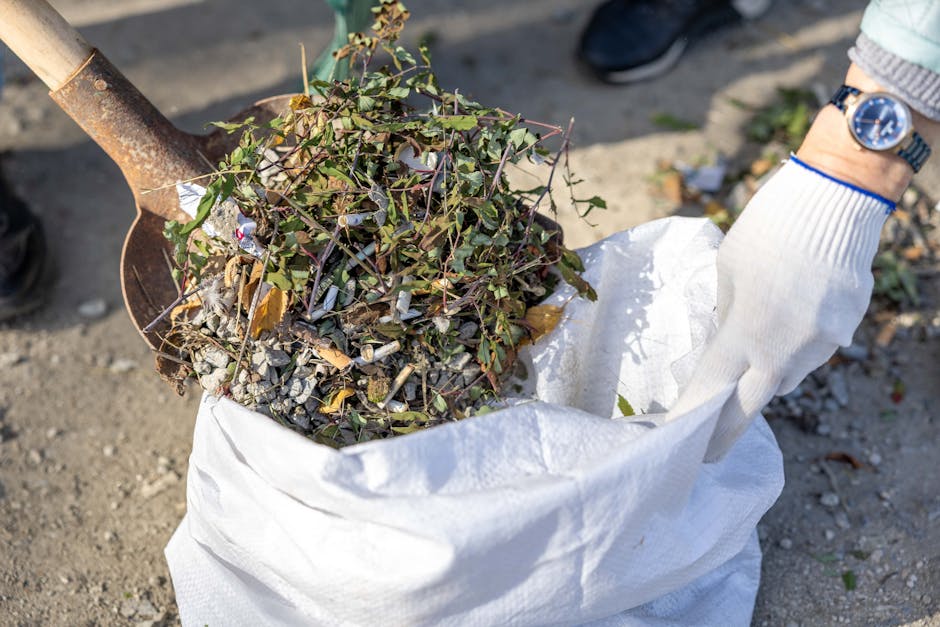
Waste should be gathered, bagged, and loaded in a sensible order. Heavy or thorny material goes separately where needed. A professional team will usually avoid overfilling bags, because that is how handles snap and backs complain. And backs do complain.
6. Deal with the surface finish
Once the larger material is gone, the garden still needs a finish: raking, sweeping, and checking edges, corners, under shrubs, and along fences. This stage is where a clearance starts to look complete rather than merely interrupted.
7. Decide what happens next
If the garden is being reset, this is the point where follow-up work is planned. That might be lawn mowing, border restoration, planting, or a new layout. If the goal is long-term control, ongoing garden maintenance is the safest way to keep the problem from coming back so quickly.
Expert Tips for Better Results
Most clearance jobs go better when the gardener thinks ahead by a step or two. Here are a few practical habits that make a real difference.
- Work in dry weather if possible: Wet growth is heavier, messier, and more likely to smear over paving.
- Keep paths clear as you go: It reduces trip risk and stops waste from being walked back into cleaned areas.
- Check for nesting or wildlife signs: Be careful around dense, undisturbed areas, especially in spring and early summer.
- Use the right cut for the material: Soft green growth, woody stems, and thorny brambles are not the same job.
- Do not rush the boundary lines: Fences, walls, and neighbouring gardens often need a neat, respectful finish.
- Plan disposal before the first cut: If you do not know where the waste is going, you can end up with piles all over the place.
One simple professional trick: leave yourself a clear working lane from the start. It feels less glamorous than attacking the worst patch first, but it makes the whole job less chaotic. A garden clearance with no route for moving waste is like trying to tidy a room while standing on the laundry pile.
Another good habit is to stop and inspect after the first round of cutting. You will often notice things you could not see before, like damaged edging, compacted soil, or drainage issues. That pause can save an awkward surprise later.
Common Mistakes to Avoid
A lot of DIY clearance mistakes come from urgency. People want the garden back fast, so they start cutting before they understand the scale of the job. Fair enough. But that is also how jobs drift.
- Removing too much at once: Hard pruning or heavy cutting can stress shrubs and hedges.
- Ignoring hidden waste: Old plastics, wire, nails, and broken materials are easy to miss in dense growth.
- Leaving roots behind: Some weeds and invasive plants will come back if they are only cut at the surface.
- Piling waste near fences or walls: Moisture can damage surfaces and create pest issues.
- Using the wrong tools: Small hand tools are not ideal for heavy bramble or woody overgrowth.
- Skipping the final sweep: A garden can look cleared but still be unpleasant to use if the surface is not properly finished.
Another common mistake is forgetting the end goal. If you clear the garden but do not decide what you want next, the space can slide straight back into neglect. A cleared garden without a plan is a bit like cleaning the kitchen and then putting all the shopping on the floor. Technically tidy for five minutes, then not really.
It is also easy to underestimate the weight of green waste. Damp cuttings and branches take up much more room than they look like they should. That is one reason why local gardeners often quote after seeing the site rather than guessing from a quick description over the phone.
Tools, Resources and Recommendations
The exact tools depend on the job, but a competent clearance team will usually have a mix of cutting, lifting, collecting, and safety equipment. The right kit reduces time on site and helps the work stay neat.
| Problem | Typical gardener response | Useful tools or methods |
|---|---|---|
| Brambles and thorny overgrowth | Cut back in layers, then remove from the base | Loppers, secateurs, tough gloves, long sleeves |
| Heavy leaf build-up | Rake, bag, and check drains or corners underneath | Leaf rake, tarpaulin, bags |
| Woody shrubs and small self-seeded trees | Reduce bulk first, then cut flush or to ground level where suitable | Saw, loppers, pruning tools |
| Mixed rubbish in borders | Sort, separate, and dispose carefully | Gloves, buckets, sacks, hand tools |
| Narrow access | Work in smaller loads and short stages | Wheelbarrow, sacks, staged loading |
For customers who want the area kept tidy after the big clear-out, recycling and sustainability is worth paying attention to. A good service should aim to sort waste properly rather than treating everything as the same pile. Green waste, woody material, and general rubbish may need different handling.
If you are comparing providers, it is also sensible to check how quotes are put together, what is included, and whether the team is insured and prepared to work safely on site. The service details at pricing and quotes and insurance and safety help set expectations, while about us is useful if you want to understand the company behind the work.
Law, Compliance, Standards, or Best Practice
Garden clearance is not usually complicated from a legal point of view, but there are still important best-practice expectations. In the UK, property owners and gardeners should take care not to create hazards for neighbours, visitors, or workers. That includes avoiding unsafe cutting practices, keeping access routes reasonably clear, and handling waste responsibly.
If the work involves trees, large branches, shared boundaries, or unstable structures, extra caution is sensible. A professional gardener will usually assess the risks before starting and may recommend a specialist approach if the job goes beyond standard clearance. Likewise, if waste needs to leave the site, it should be handled in line with accepted disposal practices rather than dumped, burned, or left in a communal area. Simple enough, but worth saying.
Health and safety also matters on practical grounds. Gloves, eye protection, sturdy footwear, and safe lifting habits are standard expectations for heavier clearance work. Wet ground, hidden metal, broken masonry, and thorny material all increase risk. That is one reason why you will often see careful staging on a proper job rather than a rushed grab-and-go approach.
If you are booking a provider, it is reasonable to ask how they manage safety, what happens to waste, and how they handle awkward access. Those are normal questions, not fussy ones. The answers tell you a lot.
Options, Methods, or Comparison Table
Different gardens need different approaches. Here is a simple comparison to help you decide what kind of clearance support makes sense.
| Method | Best for | Strengths | Limitations |
|---|---|---|---|
| DIY clearance | Small, light tidy-ups | Low cost, flexible timing | Can be slow, tiring, and easy to underestimate |
| One-off professional clearance | Overgrown or neglected gardens | Fast reset, better waste handling, safer on difficult sites | Higher upfront cost than DIY |
| Clearance plus maintenance | Gardens that need ongoing control | Keeps the space manageable, prevents repeat overgrowth | Needs a little planning and regular visits |
| Clearance plus landscaping | Gardens being redesigned | Turns a blank slate into a usable garden | Takes more coordination and usually more budget |
In most SE23 homes, the decision comes down to time, access, and how badly the garden has slipped. If the issue is a modest tidy-up, DIY may be fine. If the space is overgrown, heavy, or awkward, a professional service usually saves time and a lot of aggravation. And backache, let's be honest.
Case Study or Real-World Example
Picture a compact rear garden in SE23 after a wet spring. The lawn is patchy and hidden under fallen leaves, the back fence is covered in ivy, and the side path has a tangle of pots, cuttings, and an old broken cane frame leaning at an angle. From the house, it looks like one problem. Up close, it is six small problems wearing one big coat.
The gardener starts by making a clear route through the space. Loose rubbish comes out first. Then the ivy is cut back enough to reveal the fence line without tearing panels or ripping out useful plants nearby. The leaf litter is gathered from the lawn and corners, and the path is swept so the site becomes easier to move around. Once the main waste is gone, the team checks for any hidden issues, such as damp patches, damaged edging, or areas where the hedge is shading the lawn too heavily.
What changes most is not just the appearance. The garden becomes understandable again. You can see the structure. You can tell where the borders begin. You can decide whether the next step is turf repair, hedge shaping, or simple maintenance. That is the real value of a well-done clearance: it turns a confusing space into a workable one.
And yes, there is usually a moment where the homeowner stands at the back door and says, almost in disbelief, "Oh, that's where the paving went." Happens more than you'd think.
Practical Checklist
Use this before booking or starting a garden clearance job in SE23.
- Walk the garden and identify the worst areas first.
- Decide what should be removed, cut back, or kept.
- Check for hidden hazards such as glass, wire, nails, or unstable branches.
- Confirm how waste will be removed and where it will go.
- Think about access for tools, bags, and loading.
- Consider whether the job includes hedge work, tree work, or lawn recovery.
- Choose a dry day if possible for easier handling and a cleaner finish.
- Allow time for a final sweep, not just the main cut.
- Plan the follow-up: maintenance, replanting, or landscaping.
- Ask about safety, insurance, and what is included in the quote.
A good checklist does not make the job smaller, but it does make it less chaotic. That matters. Especially when the garden is already a bit much.
Get a free quote today and see how much you can save.
Conclusion
Common garden clearance problems in SE23 usually come down to three things: overgrowth, awkward access, and hidden mess. Gardeners fix them by working in the right order, using the right tools, and treating the garden as a system rather than a pile of separate jobs. That is what gives you a proper result, not just a quick tidy.
If your garden feels overwhelming, that does not mean it is beyond help. In many cases, it simply needs a structured reset and a bit of follow-up care. Once the clutter is gone and the lines are visible again, the space often feels larger, calmer, and far more usable. A small patch of green can do a lot when it is no longer fighting itself.
And if you are ready to move from "I really should sort this out" to "right, let's get it done," that is a good place to be. Gardens have a funny way of rewarding action. Slow at first, then all at once.
Frequently Asked Questions
What are the most common garden clearance problems in SE23?
The most common issues are overgrown hedges, brambles, heavy leaf build-up, hidden rubbish, awkward access, and neglected borders. In many SE23 gardens, the challenge is a mix of all of them rather than just one obvious problem.
How do gardeners fix very overgrown gardens?
They usually start by removing hazards and reducing bulk, then work through the garden in sections. Thick growth is cut back first, waste is removed methodically, and the area is finished with sweeping and a final check so it is genuinely usable.
Do I need a full garden clearance or just maintenance?
If the garden is heavily overgrown or cluttered, a full clearance is usually the better starting point. If the space is already in reasonable shape and just needs regular upkeep, ongoing maintenance may be enough. Sometimes the two work together.
Can garden clearance include hedge trimming and lawn work?
Yes, often it can. Many gardeners combine clearance with hedge trimming and lawn mowing so the garden looks finished rather than half-done.
What happens to all the waste after clearance?
Usually it is bagged, loaded, and removed for responsible disposal or recycling. Green waste, woody material, and general rubbish may be separated depending on the type of job and how the garden is being cleared.
Is garden clearance in SE23 difficult because of access?
It can be. Many gardens in the area have narrow side passages, shared access, or limited turning space for waste removal. A professional gardener plans for that by working in stages and using the safest practical loading method.
How long does a typical clearance take?
It depends on the size of the garden, the amount of waste, and how tangled the growth is. A small tidy-up may be relatively quick, while a neglected garden can take much longer. The condition of the site matters more than the postcode, honestly.
Can garden clearance help with drainage and damp problems?
Sometimes, yes. Clearing leaves, moss, and blocked corners can improve surface drainage and reduce damp build-up. It will not fix a structural drainage fault, but it often helps reveal one if there is an underlying issue.
Should I book garden clearance before landscaping?
Usually, yes. Clearance gives you a clean starting point, which makes any later landscaping or redesign work much easier to plan and carry out properly.
What should I ask a gardener before booking?
Ask what is included, how waste is handled, whether the team is insured, how access issues are managed, and whether the quote covers the full scope of the work. Those answers tell you a lot about how the job will run.
Is a one-off clearance enough, or will the garden need follow-up?
Many gardens need follow-up, especially if they have been neglected for a while. A one-off clearance creates the reset, but regular garden maintenance helps stop the same problems returning too quickly.
How do I know if a clearance job is safe to do myself?
If the work is light, the access is easy, and there are no hidden hazards, DIY may be fine. If there is heavy overgrowth, thorny material, unstable branches, or lots of waste, it is usually safer and quicker to get help from a professional.
For next steps, it may help to review the team's wider approach on about us and then choose the service mix that best fits your garden's condition. Sometimes the best result is simply getting the right start. The rest follows more easily than you think.